Understanding Deepfake Technology in Conferencing
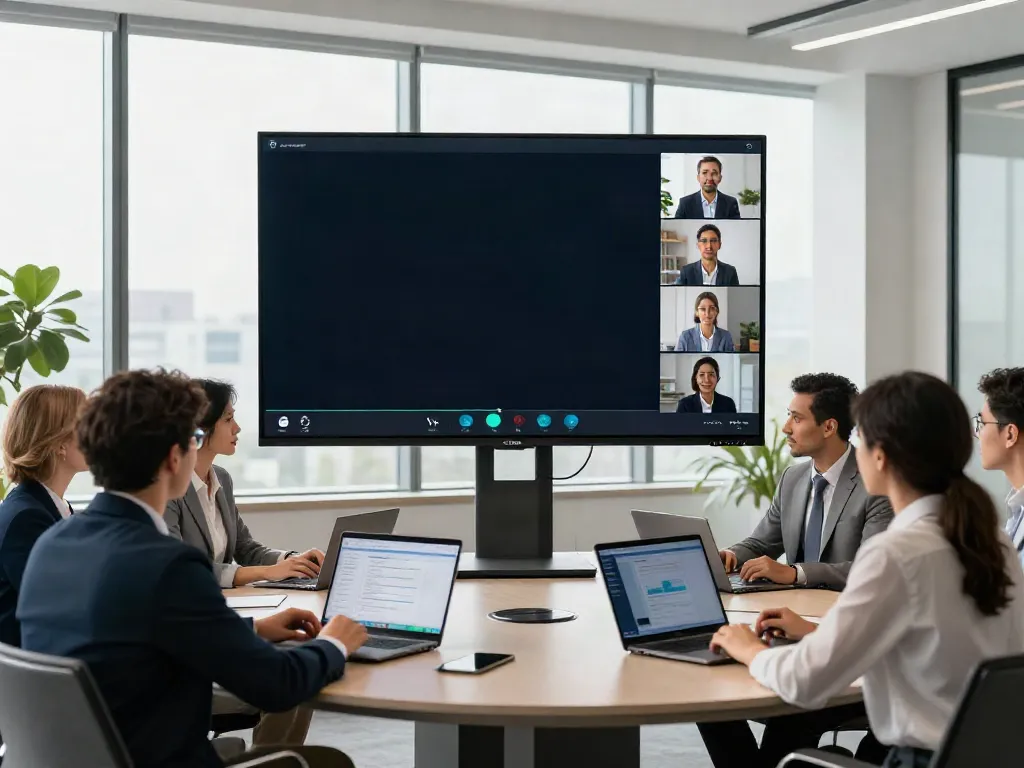
In recent years, the rise of artificial intelligence has led to the emergence of deepfake technology, profoundly impacting various sectors, including video conferencing. As virtual meetings become a crucial part of business operations, understanding the nuances of deepfake protections has never been more important. This technology, capable of creating convincing fake audio and video, poses significant risks to the integrity of online communications. In a world where trust and security are paramount, implementing Deepfake protected Conferencing solutions can enhance meeting security and protect sensitive information.
What Is Deepfake and Its Implications for Online Meetings?
Deepfake technology involves using machine learning algorithms to create synthetic media, which can manipulate images, videos, or audio recordings. In the context of online meetings, deepfakes can be exploited to impersonate individuals, leading to unauthorized access and potential manipulation of sensitive discussions. This could result in significant financial and reputational damage to organizations if not adequately managed. As deepfake technology evolves, the implications for online meetings are profound, making it essential for companies to understand and mitigate these risks.
Common Misconceptions About Deepfake Protected Conferencing
Many organizations mistakenly believe that deepfake technology does not apply to their operations or that it is a distant concern. However, as evidenced by recent incidents of deepfake usage in scams and fraud, no sector is immune to the threat. Another misconception is that traditional security measures are adequate to handle deepfake attacks. Conventional tools may not be equipped to detect sophisticated deepfakes, necessitating more advanced solutions aimed explicitly at safeguarding video conferencing.
The Evolution of Deepfake Technologies and Their Risks
Deepfake technology has evolved rapidly, becoming more accessible and easier to produce with advancements in AI. As creation tools improve, the line between authentic and fabricated media blurs significantly. This evolution has increased the risks associated with online meetings, as malicious actors can utilize deepfakes to mislead, manipulate, or defraud individuals and organizations. The potential for deepfake technology to disrupt corporate environments necessitates a proactive approach to adopt protective measures before incidents occur.
Key Features of Deepfake Protected Conferencing Solutions
To effectively combat the challenges posed by deepfakes, organizations must invest in solutions designed with specific protective features. These solutions not only enhance security but also build trust among participants in virtual meetings.
Essential Security Measures for Safe Virtual Meetings
- End-to-End Encryption: This ensures that only authorized participants can access the meeting content.
- AI-Based Detection Tools: Advanced algorithms can assess the authenticity of participants in real-time, flagging potential deepfake incidents.
- Secure Access Protocols: Requiring multi-factor authentication adds an additional layer of security, ensuring that only authorized users gain entry to meetings.
Importance of Authentication in Online Conferencing
Authentication is critical in ensuring that the individuals participating in a meeting are who they claim to be. Implementing robust authentication measures, such as facial recognition or biometric verification, can significantly reduce the risk of deepfake impersonation. These systems provide a necessary defense mechanism against unauthorized access, preserving the integrity of discussions.
Innovative Tools for Enhancing Video Call Security in 2026
As technology advances, new tools are emerging to enhance video call security. Innovations such as real-time deepfake detection systems and AI-based monitoring can help identify synthetic media during a call. These solutions are critical as we approach 2026, where the sophistication of deepfake technology is expected to escalate even further.
Challenges in Implementing Deepfake Protection
Despite the clear need for deepfake protection, implementing these solutions presents its own set of challenges. Organizations must navigate these obstacles to develop effective strategies for safeguarding their virtual interactions.
Identifying Vulnerabilities in Existing Systems
Many existing video conferencing platforms lack the necessary safeguards against deepfake technology. Conducting a thorough assessment of current systems is essential for identifying vulnerabilities that could be exploited. Organizations should prioritize investing in solutions that specifically address these weaknesses.
Common User Obstacles in Adopting New Technologies
Resistance from users can hinder the adoption of new technologies. Employees may feel overwhelmed by the prospect of learning new systems or may not fully understand the threats posed by deepfake technology. Training programs designed to educate users on these risks can facilitate smoother transitions to more secure conferencing solutions.
How to Overcome Resistance to Change in Organizations
To effectively implement deepfake protection measures, organizational leaders must promote a culture of security awareness. By communicating the importance of these technologies and offering support during the transition, businesses can reduce resistance and encourage widespread adoption of deepfake protections.
Best Practices for Deepfake Protected Conferencing
Incorporating best practices into video conferencing protocols can significantly enhance security against deepfake threats. Organizations should establish clear guidelines while leveraging the latest technological advancements.
Steps to Secure Your Video Calls Effectively
- Conduct risk assessments regularly to identify areas of vulnerability.
- Implement comprehensive security protocols, including encryption and authentication measures.
- Educate participants on recognizing deepfake signs and practices for secure meetings.
Real-World Examples of Successful Implementations
Several organizations have successfully integrated deepfake protection into their conferencing practices. By adopting AI-powered tools and prioritizing user education, these companies have minimized the risks associated with deepfake technology, thereby preserving the integrity of their communications.
Conducting Regular Risk Assessments for Conferencing Tools
Regular risk assessments of conferencing tools are essential to ensure ongoing protection against evolving threats. By routinely evaluating the effectiveness of implemented measures, organizations can identify gaps and strengthen their overall security posture.
Future Trends in Deepfake Protection Technologies
The landscape of deepfake technology will continue to evolve, bringing new challenges and opportunities for organizations. Staying informed about the latest trends will be crucial to maintaining robust defenses against potential threats.
Predictions for Deepfake Threats in 2026 and Beyond
As we look towards 2026, experts predict that deepfake technology will become increasingly sophisticated, making detection more difficult. Organizations must be prepared to adapt their strategies accordingly, implementing advanced detection systems and fostering a culture of vigilance among employees.
The Role of AI in Enhancing Video Conferencing Security
AI will play a pivotal role in enhancing video conferencing security. As machine learning algorithms become more adept at detecting anomalies and deepfakes, organizations will have better tools to combat these threats. Investing in AI-driven solutions will be crucial for businesses seeking to safeguard their virtual communications.
Emerging Standards for Conference Security Compliance
As deepfake technology continues to proliferate, new regulations and compliance standards will likely emerge to guide organizations in protecting themselves and their stakeholders. Staying abreast of these developments will ensure that companies remain compliant and secure in their video conferencing practices.
What is deepfake protected conferencing?
Deepfake protected conferencing refers to video conferencing solutions designed to safeguard against deepfake technology threats. These solutions typically include advanced security measures, authentication protocols, and real-time monitoring to ensure the integrity of online meetings.
How do I secure my video conferences against deepfakes?
Securing your video conferences against deepfakes involves implementing robust security protocols such as multi-factor authentication, end-to-end encryption, and AI-based detection systems. Additionally, educating participants on recognizing deepfake signs is essential.
Are there legal implications for using deepfakes in meetings?
The legal implications of using deepfakes in meetings are still evolving. Organizations must be aware of current regulations and potential liabilities associated with the unauthorized use of synthetic media, particularly in sensitive environments.
What industries benefit most from deepfake protection?
Industries such as finance, healthcare, and government are at higher risk of deepfake misuse, given the sensitive nature of their communications. However, any organization that relies on virtual meetings can benefit from implementing deepfake protection measures.
How can organizations educate employees on deepfake risks?
Organizations can educate employees about deepfake risks through training programs, workshops, and informational resources. Promoting a culture of security awareness will equip employees to recognize and respond to deepfake threats effectively.