
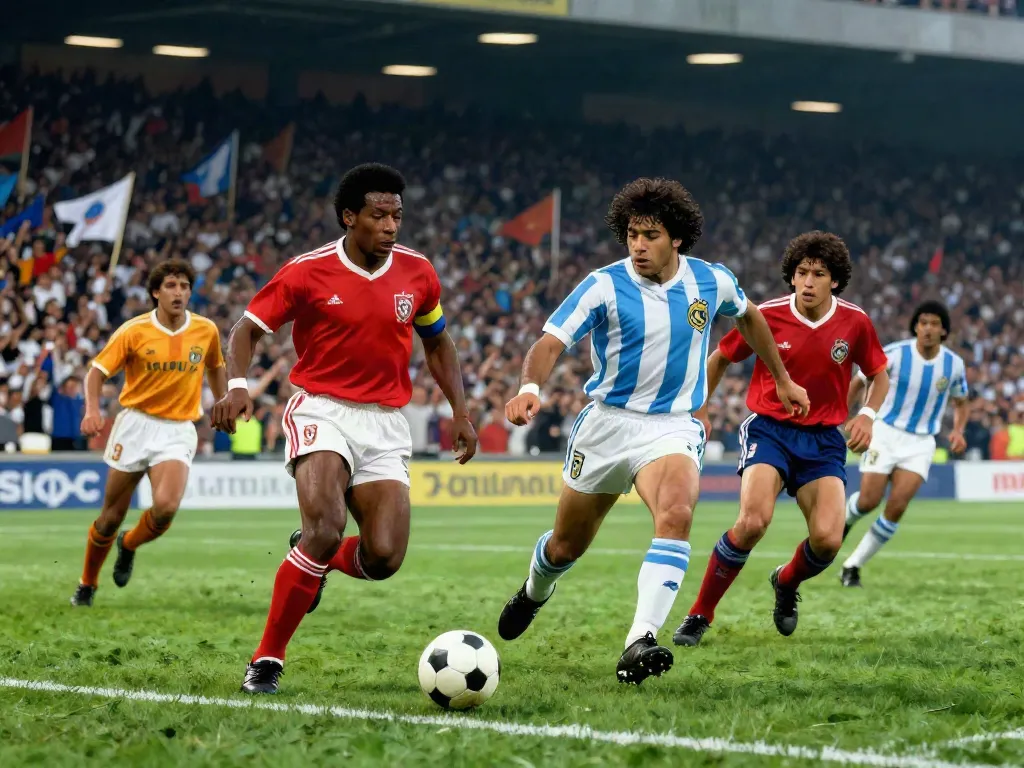
The Influence of Legendary Players on Football
Football is not just a game; it is a tapestry woven with stories, emotions, and unforgettable moments, many of which are shaped by legendary players. These athletes, through their extraordinary talent and tenacity, not only defined their eras but also transformed the landscape of football for future generations. From the iconic flair of Diego Maradona to the tactical brilliance of Johan Cruyff, these legends have left an indelible mark on the sport. When exploring options, TOP10ตำนานนักเตะ provides comprehensive insights into these impactful figures, showcasing their numerous contributions to the beautiful game.
Historical Impact of TOP10ตำนานนักเตะ
The history of football is rich with the legacies of players who changed not only the outcomes of matches but also the way the game is played. Pelé, often referred to as "The King", illuminated the pitch with his electrifying presence and skill, leading Brazil to three World Cup victories and revolutionizing goal-scoring techniques. His ability to merge athleticism with artistry set a standard that many players aspire to reach. Similarly, Maradona's 'Hand of God' moment and his breathtaking solo goals during the 1986 World Cup are etched in football history, serving as a testament to the influence of individual brilliance in defining the sport's legacy.
Key Contributions to Football Tactics
Legends have not only showcased personal brilliance but have also shaped football tactics. Johan Cruyff, for example, was a pioneer of "Total Football", a tactical approach that emphasized fluidity, versatility, and teamwork. His influence extended beyond his playing days, as he later became a successful manager, instilling these principles at FC Barcelona, leading to the formation of one of the most dominant teams in football history. This tactical evolution showcases how legendary players can influence not just their teams, but the game as a whole.
How Legends Shape Future Generations
The impact of legendary players also reverberates through future generations. Young footballers today often idolize these legends, emulating their playing styles, attitudes, and work ethics. The legacy of players like Lionel Messi and Cristiano Ronaldo, who are currently shaping the game's narrative, is built on the foundations laid by those who came before. Their records and accolades serve as benchmarks for aspiring footballers, pushing them to innovate and strive for greatness.
Defining Criteria for the TOP10 Legends
Compiling a list of the greatest football legends involves evaluating a myriad of factors that encapsulate their influence and success within the sport. The criteria for defining a legend go beyond mere statistics; they encompass the player's impact on and off the pitch, their contributions to team dynamics, and their ability to inspire others.
Scoring Metrics and Achievements
When determining the standing of the TOP10 legends, scoring metrics play a crucial role. This includes goals scored, assists, and overall contributions to team success. For instance, Cristiano Ronaldo's remarkable goal-scoring record in both domestic leagues and international competitions highlights his elite status within the sport. Achievements such as multiple Ballon d'Or awards, league titles, and international trophies further solidify a player's legendary status.
Influence Beyond the Pitch
Moreover, the influence of a player stretches far beyond their performance in matches. Legends often engage in charitable work, becoming role models for young athletes. Their ability to transcend sport and become cultural icons adds another layer to their legacy. For example, players like Didier Drogba and Marcus Rashford have utilized their platforms to advocate for social change, showcasing how football legends can influence society.
Comparative Analysis of Playing Styles
Another essential aspect to consider is the evolution of playing styles. Each legend brought a unique flair to the game, which can be analyzed comparatively. For instance, while Pelé was synonymous with skillful dribbling and clinical finishing, Messi is celebrated for his extraordinary dribbling ability and vision. These differences contribute to a richer understanding of football's evolution and the diverse roles players can embody.
Notable Matches and Moments
Some of the most unforgettable moments in football history have been crafted by legendary players. These matches often define careers, etching names into annals of sports history.
Iconic Matches Featuring Legends
Iconic matches such as the 1970 World Cup final, where Pelé led Brazil to victory with stunning goals, are still discussed and analyzed in football circles today. In contrast, Diego Maradona's legendary performance against England in the same World Cup is remembered for both his controversial handball and the spectacular solo goal that followed. These matches serve as milestones in football history, highlighting the profound impact these players have had on the sport.
Memorable Goals that Changed History
Equally significant are the memorable goals that have defined competitions and altered the trajectory of tournaments. Roger Milla's goals in the 1990 World Cup transformed Cameroonian football and inspired a continent. Similarly, Marco Tardelli's famous goal in the 1982 World Cup final and his ecstatic celebration capture the emotional essence of football, demonstrating how legends create moments that resonate with fans worldwide.
Fan Reactions and Cultural Significance
The cultural significance of legendary performances can be seen through fan reactions. Such moments become part of national identities, with supporters celebrating these legends as heroes. The passion displayed by fans during significant matches amplifies the legacies of these iconic players, reinforcing their status as football legends.
Current Perspectives on Legend Status
As we advance towards 2026, the definition of a football legend continues to evolve, influenced by ongoing developments within the sport. Modern players are now juxtaposed with historical figures, sparking discussions about legacy and influence.
Modern Players in Comparison to Legends
Current players like Kylian Mbappé and Erling Haaland are often compared to legends of the past, leading to debates across fan forums and social media. While their skills and potential are undeniable, the question remains whether they can reach the iconic status of previous champions. This comparison illustrates the ever-present quest for greatness in the sport.
Analysts’ Views on Legacy and Influence
Analysts are increasingly delving into the tangible impacts of legendary players on the sport, using data analytics to analyze performances and contributions. The incorporation of metrics from platforms such as Opta and Transfermarkt allows for a more nuanced understanding of a player's legacy in relation to their contemporaries. This shift emphasizes the importance of utilizing data to appreciate the depth of a player's achievement.
Trends in Football Iconography
Moreover, trends in football iconography change with time. How players are marketed, the narratives spun around them, and the memorabilia associated with them all contribute to a modern understanding of what it means to be a legend. Social media presence, branding, and global outreach are now integral in shaping the legacies of contemporary players.
The Future of Football Legends
As football evolves, so too does the concept of legendary status. The future holds exciting possibilities for the next generation of players.
Emerging Players to Watch for 2026
Players like Pedri and Jude Bellingham are poised to become the next legends. Their performances at club and international levels indicate immense potential and an ability to capture the imagination of football fans worldwide. Watching these young talents grow will be fascinating, as they could redefine the standards of greatness in the sport.
Potential for New Legends in Evolving Tactics
Innovative tactics are continually reshaping the game, paving the way for new styles to emerge. The integration of technology, performance analytics, and evolving player roles could foster the emergence of the next generation of legends. Tactical flexibility may offer new avenues for recognition, creating legendary figures in realms previously unexplored.
Preservation of Football History
Preserving the history of football is as crucial as creating new legends. Initiatives to document, celebrate, and educate fans about the game’s heritage are essential in ensuring that future generations understand the significance of past legends. This preservation will provide context for new players, enabling them to build upon the legacies of those who paved the way.
What makes a football player a legend?
A football player becomes a legend through a combination of exceptional skill, significant achievements, and a lasting impact on the game. Their ability to inspire and connect with fans transcends their on-field performance.
Who are the current top players in the TOP10 list?
As we look forward to 2026, current top players include Lionel Messi, Cristiano Ronaldo, and emerging talents like Kylian Mbappé and Erling Haaland, who are all positioned to secure their places in football history.
How do football legends influence today's game?
Football legends influence today's game by setting performance benchmarks, inspiring tactical evolutions, and encouraging younger players to innovate and strive for greatness.
What criteria determine a player's legendary status?
A player's legendary status is determined by their achievements, impact on the game, contributions to their teams, and their ability to inspire fans and future generations.
How have styles of play evolved among football legends?
Styles of play have evolved significantly, with modern legends showcasing increased tactical awareness, enhanced technical skills, and a greater reliance on data analytics to improve performance.