Understanding the Mini Split AC System
The modern home demands efficient climate control solutions that cater to the varying needs of spaces, and this is where the mini split ac system shines. Unlike traditional heating and cooling options, mini splits offer a sleek, ductless design, making them ideal for apartments, homes with no existing ductwork, and even commercial spaces. As we navigate through what a mini split AC system entails, the technology's functionality, benefits, and market factors in 2026 will provide you with a clear understanding of why these systems are becoming the preferred choice for homeowners and businesses alike.
What is a Mini Split AC System?
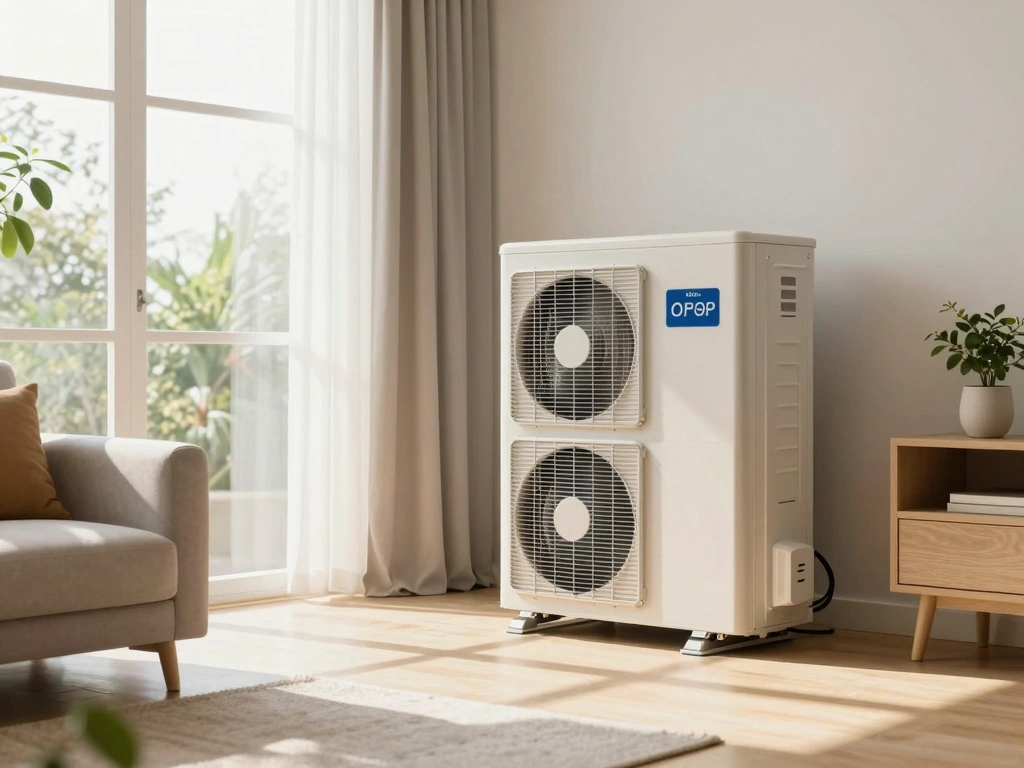
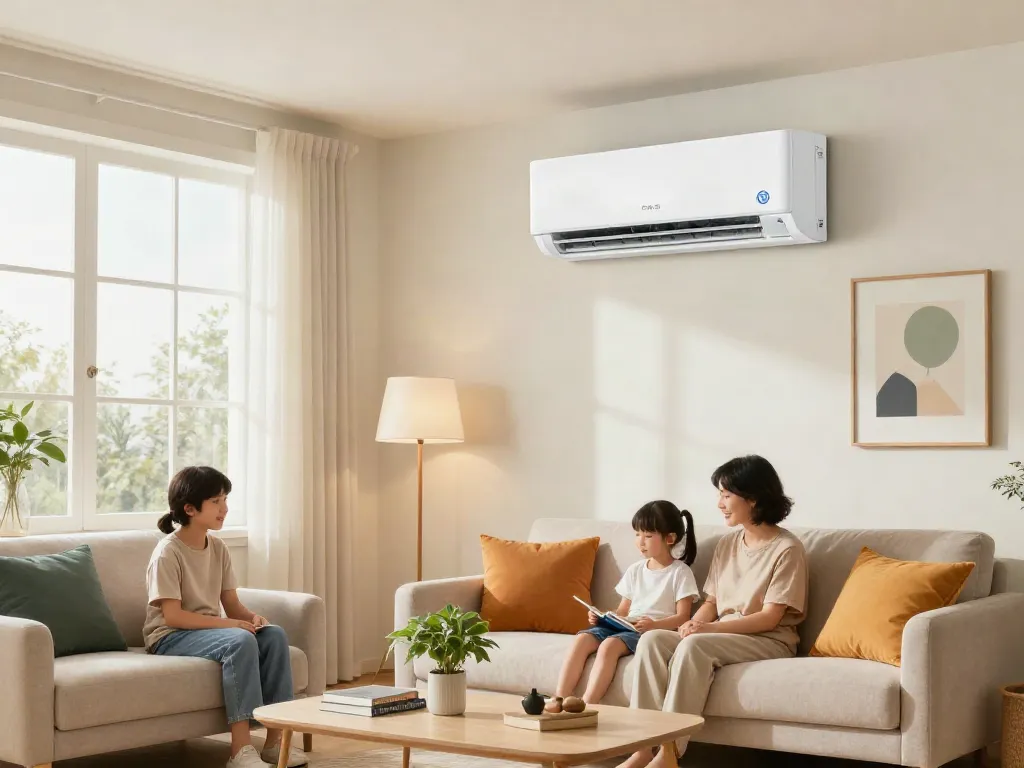
A mini split AC system is a type of ductless HVAC system designed to provide both heating and cooling for individual rooms or zones. This system comprises two main components: an outdoor unit, which houses the compressor and condenser, and one or more indoor units, responsible for distributing the conditioned air. Mini splits are incredibly versatile and can be installed in various configurations, making them suitable for diverse applications, from single-family homes to multi-unit buildings.
How Does Mini Split Technology Work?
Mini split systems operate using refrigerant lines that connect the indoor and outdoor units. When you set your desired temperature, the outdoor unit pulls in heat from the outside air (even in cooler weather) and transfers it to the indoor unit. This process not only cools your space in summer but also heats it in winter, thanks to the reverse operation of the heat pump. The ease of installation and minimal disruption during the process are significant advantages of this technology compared to traditional systems.
Advantages of Ductless Systems Over Traditional HVAC
- Energy Efficiency: Mini splits use inverter technology, allowing them to adjust the compressor speed according to the cooling or heating demand. This means they consume less energy compared to central HVAC systems.
- Zone Control: Each indoor unit can be controlled independently, allowing you to customize temperatures in different rooms, which can lead to further energy savings.
- Space Saving: The absence of ductwork not only reduces installation costs but also frees up space within your home, enabling creative design possibilities.
- Improved Air Quality: Without ducts, which can harbor dust and allergens, mini splits typically provide cleaner air, enhancing overall indoor air quality.
Cost Considerations for Mini Split Systems
When considering the installation of a mini split system, it's essential to evaluate the associated costs, including initial setup and long-term financial benefits. Understanding these factors can assist homeowners in making a more informed decision about their climate control options.
Typical Installation Costs of Mini Split AC Systems
The installation cost of a mini split AC system can vary significantly based on several factors, including the number of indoor units, the complexity of the installation, and geographical location. On average, homeowners can expect to pay between $3,000 to $7,000 for a complete system, including installation. Additional features, like smart technology integration, may influence the overall price, making it important to get multiple quotes from certified HVAC professionals.
Long-Term Energy Savings and Efficiency
One of the major selling points of a mini split AC system is its potential for energy cost savings. With energy-efficient ratings typically above 20 SEER (Seasonal Energy Efficiency Ratio), these systems can substantially lower electric bills. Over time, this can translate to savings of hundreds or even thousands of dollars, particularly for larger homes where traditional systems may struggle to provide adequate cooling or heating.
Financing Options and Incentives for Homeowners
To make the transition to mini split systems more financially feasible, homeowners can explore various financing options and government incentives. Many states offer rebates for energy-efficient installations, which can offset initial costs. Additionally, flexible financing plans provided by HVAC companies enable homeowners to pay for their systems over time, ensuring budgetary flexibility.
Installation Best Practices
Successful installation is crucial to the performance of a mini split AC system. Whether opting for a professional installer or a DIY approach, understanding best practices can lead to greater efficiency and longevity of the system.
Choosing the Right Location for Your Mini Split
The location of the indoor unit plays a key role in the performance of a mini split system. It is recommended to install the indoor units high on walls for optimal air distribution. Establishing proximity to the outdoor unit while ensuring unobstructed airflow is also paramount. Proper placement enhances the efficiency of the system and improves user comfort.
Hiring Professional Installers vs. DIY Installation
While many homeowners may consider DIY installation to save costs, it is advisable to hire certified HVAC professionals. They can ensure correct installation according to local codes, maximizing the system's efficiency and lifespan. DIY efforts can lead to improper setups and potential warranty voids, negating any savings from the initial installation.
Maintenance Tips for Longevity and Performance
Regular maintenance is key to ensuring your mini split system operates efficiently for years to come. Key maintenance tips include:
- Cleaning or replacing air filters every 1-3 months to improve air quality and efficiency.
- Scheduling annual professional inspections to identify any potential issues early and ensure optimal performance.
- Keeping outdoor units free from debris and vegetation to avoid airflow restrictions.
Comparative Analysis of Top Mini Split Brands
The market for mini split AC systems is populated by numerous brands, each offering unique features and benefits. Here we outline some of the leading brands that have garnered positive customer feedback and industry recognition.
Leading Brands in the Mini Split Market
Brands like Mitsubishi, Daikin, and Fujitsu lead the industry in performance and reliability. Mitsubishi is noted for its inverter technology and robust warranty options, while Daikin is recognized for user-friendly controls. Fujitsu offers systems designed for extreme climates, appealing to a broader consumer base.
Customer Reviews and Performance Ratings
Customer reviews provide valuable insight into the real-world performance of mini split systems. Many users praise the quiet operation and efficient temperature control, while some mention initial installation costs as a significant consideration. Performance ratings often reflect satisfaction levels, with products rated highly for energy efficiency and reliability.
Innovations in Mini Split Technology for 2026
As technology evolves, so do mini split systems. In 2026, expect to see increased integration of smart technology, allowing for enhanced control through mobile apps and voice commands. Additionally, advancements in energy-saving features and environmentally friendly refrigerants are likely to shape the future design of these systems.
Future Trends in Climate Control Systems
As climate control technology advances, mini split systems are poised to play a crucial role in modern HVAC solutions. Emerging trends reflect a growing emphasis on sustainability, efficiency, and adaptability.
Smart Technology Integration in Mini Split Systems
The increasing prevalence of smart home technology is impacting the design and functionality of mini split systems. Integration with smart home devices allows for greater energy control and efficiency, as users can adjust settings remotely based on their preferences or real-time data.
Environmental Impacts and Energy Regulations
With rising awareness of climate change, environmental regulations are influencing HVAC practices. Mini split systems, due to their energy-efficient designs, position themselves favorably amid stricter standards and consumer demand for eco-friendly products. As manufacturers innovate to reduce carbon footprints, purchasers will find more sustainable options in the marketplace.
Predictions for Mini Split System Evolution by 2026
The evolution of mini split systems by 2026 is likely to feature improved efficiencies, further reductions in environmental impact, and enhanced user experience through smart technology. Consumers will continue to demand versatile, cost-effective, and energy-efficient solutions, compelling manufacturers to innovate and adapt to maintain competitive positioning in this dynamic industry.
What are the downsides of a mini split AC system?
Despite their numerous advantages, mini split systems do have potential downsides. These can include higher upfront costs, the aesthetic of indoor units, and the need for professional installation. However, for many homeowners, the benefits far outweigh these disadvantages, particularly when considering energy savings and comfort.
What is the typical cost of installing a mini split system?
As mentioned earlier, installation costs can vary widely but typically range from $3,000 to $7,000, depending on various factors including system size and installation complexity. It is essential for homeowners to obtain multiple quotes and consider long-term savings when evaluating these costs.
Why is my electric bill so high with mini split?
High electric bills can be attributed to several factors, including improper sizing of the units, inefficient settings, or inadequate maintenance. Ensuring your mini split system is correctly sized and regularly maintained can help mitigate these costs and enhance overall efficiency.