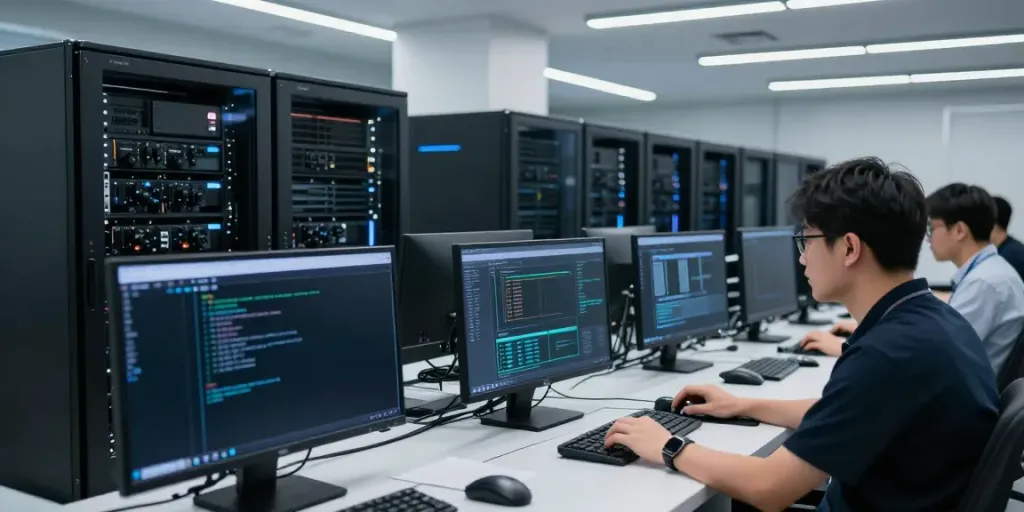
Understanding AI Data Centers
AI data centers play a crucial role in supporting the infrastructure for artificial intelligence applications. They are designed specifically to house the sophisticated IT components necessary for training, deploying, and managing AI workloads. As the demand for AI technologies grows, understanding the unique aspects of these infrastructures becomes increasingly important. The integration of AI data center into the broader technology landscape illustrates a paradigm shift in how we view computation, power, and services.
What Defines an AI Data Center?
AI data centers are distinct from traditional data centers due to their emphasis on high-performance computing. They utilize advanced hardware such as Graphics Processing Units (GPUs) that optimize the processing of large datasets essential for AI tasks. Unlike standard data centers that accommodate general computing needs, AI data centers are purpose-built to handle the specific demands of artificial intelligence, which include deep learning, machine learning, and large-scale data analytics.
The Role of GPUs in AI Infrastructure
Graphics Processing Units (GPUs) are fundamental to the operations of AI data centers. They provide the computational power needed for the parallel processing of vast amounts of data, making them ideal for training complex AI models. The architecture of GPUs allows for enhanced performance in handling the intricate calculations required by AI algorithms. Consequently, optimizing GPU allocation and utilization within AI data centers is critical for achieving maximum efficiency.
Key Components of Effective AI Data Centers
- High-Density Computing: AI data centers are built to support high-density computing environments, ensuring that multiple processors can operate effectively without compromising performance.
- Robust Cooling Systems: Given the substantial heat output from GPUs, effective cooling solutions are vital to maintain operational efficiency and prevent overheating.
- Scalable Infrastructure: The infrastructure must be adaptable to accommodate increasing workloads and evolving AI technologies.
- Power Management: Efficient power management systems are essential to support the energy-intensive operations associated with AI processing.
How AI Data Centers Support the Token Economy
The relationship between AI data centers and the token economy is pivotal in optimizing resource allocation and performance metrics. With the rise of token-metered services, AI data centers provide the necessary backbone for delivering efficient, scalable AI workloads.
Linking Power Contribution to AI Performance
Every computational task in an AI data center is linked to a corresponding power contribution, which can be tracked and measured effectively. By integrating power usage with AI operations, organizations can assess performance and optimize their resource allocation, ensuring that they are not only meeting demand but also reducing waste.
Impact of Token-Metered Services on Efficiency
Token-metered services define the usage of computational resources in AI data centers through a structured billing system based on usage. This model allows organizations to accurately measure the effectiveness of their infrastructure, leading to improved decision-making and enhanced operational efficiency. As organizations shift towards more flexible, demand-driven models, the implications for AI data centers are profound.
Case Studies of Successful AI Data Centers
Several prominent companies have successfully managed to leverage the capabilities of AI data centers to enhance their operational frameworks. For instance, major tech firms have automated their AI processing through efficient workloads and token-metered services, significantly reducing latency and improving output. These case studies highlight the potential for scaling AI operations while maintaining robust performance metrics.
Choosing the Right Power Plan
For those looking to participate in the AI token economy, selecting the appropriate power plan is crucial. Evaluating different options will enable organizations to align their operational strategies with their computing needs effectively.
Evaluating AI Infrastructure Power Plans
When considering various power plans, it is essential to evaluate the services they provide. Plans should reflect the specific needs of the organization, including computational demands, budgetary constraints, and the scalability of resources. These evaluations can enhance the effectiveness of power contributions to AI data center operations.
Benefits of Customized Power Solutions
Customized power solutions allow organizations to tailor their energy consumption to fit their unique operations. This adaptability can lead to reduced costs and improved efficiency by aligning power usage with actual workload demands. AI data centers can benefit significantly from these bespoke arrangements, ensuring they meet their operational goals without unnecessary expenditure.
Common Misconceptions About Power Plans
One notable misconception is that power plans are static and inflexible. In reality, modern power plans can be dynamic, adjusting to the needs of an organization. By recognizing the flexibility in these plans, companies can take proactive measures to optimize their power contributions and improve their overall efficiency.
Future Trends in AI Data Center Design
As technology continues to evolve, so too will the design and function of AI data centers. Recognizing and adapting to future trends is essential for organizations looking to stay competitive in this rapidly changing landscape.
Emerging Technologies Shaping AI Infrastructure
Emerging technologies such as quantum computing and advanced cooling systems are already beginning to influence AI data center designs. These innovations promise to enhance computational capabilities while simultaneously addressing environmental concerns associated with energy consumption and waste.
Predictions for AI Data Center Growth and Demand
As AI applications proliferate across various industries, demand for AI data centers is expected to soar. Predictions indicate significant growth rates, forecasting an increase in the number of facilities required to meet the rising needs of AI workloads. Organizations must be prepared to scale their infrastructure accordingly.
Sustainability and Eco-Friendly Practices in AI Data Centers
With increasing scrutiny on energy consumption and sustainability, AI data centers are under pressure to adopt more eco-friendly practices. Strategies that incorporate renewable energy sources and efficient resource management will not only help mitigate environmental impacts but also align organizations with regulatory requirements and consumer expectations.
Best Practices for Optimizing AI Data Center Performance
To achieve maximum efficiency and productivity in AI data centers, organizations must adhere to a set of best practices that optimize performance metrics and resource management.
Measuring Performance Metrics Effectively
Establishing effective performance metrics is key to managing an AI data center's operations. These metrics should encompass various aspects of performance, including energy usage, processing speed, and workload efficiency, allowing organizations to identify areas for improvement.
Strategies for Resource Allocation and Management
Optimal resource allocation is crucial for AI data centers. Organizations should implement strategies that prioritize workloads based on demand while maintaining adequate power supply to ensure efficient processing. This dynamic approach enables organizations to maximize their operational capabilities.
Ensuring Reliable Power Supply and Infrastructure
A reliable power supply is foundational to the successful operation of AI data centers. Organizations must invest in robust infrastructure and backup solutions to mitigate the risks associated with power outages or fluctuations, which can severely disrupt operations.
What Are the Future Challenges for AI Data Centers?
As AI technology advances, AI data centers will face a range of challenges. From meeting increasing computational demands to addressing environmental concerns, these facilities will need to adapt continuously to maintain performance and sustainability.
How Do AI Data Centers Support Environmental Standards?
AI data centers have the potential to lead the charge in implementing environmental standards, particularly through the adoption of energy-efficient technologies and sustainability initiatives. Striking a balance between operational efficiency and ecological responsibility will be crucial moving forward.
Will AI Data Centers Replace Traditional Models?
While AI data centers are not likely to completely replace traditional data centers, they will increasingly supplement and transform existing infrastructures. The demand for advanced processing capabilities in response to AI workloads will necessitate a hybrid approach where both models coexist and complement one another.