Understanding Automated Bagging Solutions
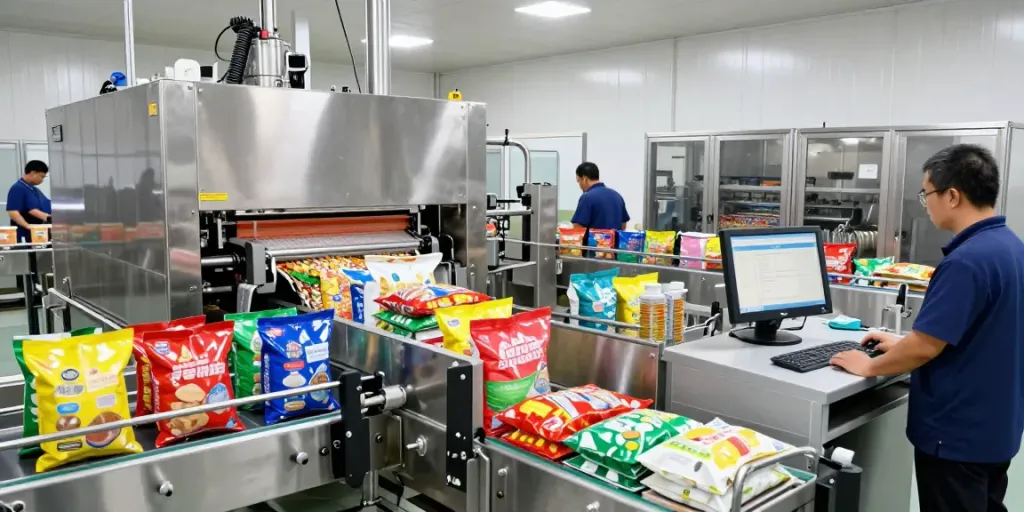
As industries evolve, the demand for packaging solutions that enhance efficiency, accuracy, and productivity has surged. Automated bagging solutions have emerged as a critical component for businesses aiming to streamline their packaging processes. These systems utilize advanced technology to automate various stages of the bagging process, from bag placement to filling and sealing, significantly reducing manual intervention while improving output quality. For manufacturers and distributors of products ranging from food to pharmaceuticals, integrating automated bagging machines can revolutionize operations. When exploring options, automated bagging solutions provide comprehensive insights into how these systems work and the benefits they can bring.
What Are Automated Bagging Solutions?
Automated bagging solutions encompass a range of machinery designed to handle the entire bagging process with minimal human intervention. These systems often include components for:
- Bag Formation: Automatically forming bags from flat rolls of film or pre-made bags.
- Bag Filling: Accurately dispensing products into the bags.
- Sealing: Efficiently sealing filled bags to ensure product integrity.
- Labeling: Adding barcodes or other identification labels for tracking purposes.
These machines not only accelerate packaging operations but also ensure consistent quality, which is crucial for maintaining standards across large production runs.
Key Features of Advanced Bagging Machines
Today's automated bagging solutions come equipped with numerous features aimed at enhancing efficiency and usability. Some of the key characteristics include:
- Precision Filling: Advanced sensors and software allow for exact measurements, minimizing waste and ensuring each package meets target weights.
- Speed and Automation Level: Options range from semi-automatic systems that require some manual input to fully automated machines that operate with minimal human oversight.
- User-Friendly Interfaces: Touchscreen controls and intuitive programming make it easier for operators to set up and adjust machine functions.
- Customizability: Machines can often be tailored to handle various bag sizes, materials, and products efficiently.
Industries Benefiting from Automated Systems
The versatility of automated bagging solutions allows them to cater to numerous sectors, including:
- Food and Beverage: Ensuring hygiene and speed in packaging products such as grains, snacks, and liquids.
- Pharmaceuticals: Meeting strict regulatory requirements while enhancing production efficiency.
- Consumer Goods: Packaging a wide range of products from detergents to pet food with precision.
Each of these industries requires reliable and efficient packaging solutions that can adapt to changing demands and maintain product integrity.
Advantages Over Manual Packaging Methods
Automated bagging systems offer a multitude of advantages over traditional manual packaging methods. Companies adopting these modern solutions are witnessing significant improvements in their production lines.
Efficiency and Speed: A Comparative Analysis
One of the most significant benefits of automated bagging solutions is the improvement in efficiency and speed. Automated systems perform tasks quicker than manual methods, allowing for higher output over shorter periods. For instance, while a manual process might take several minutes to fill and seal just a few bags, automated systems can accomplish this task in a matter of seconds. This speed not only increases productivity but also facilitates meeting higher demand with ease.
Reducing Errors in Packaging Processes
Human errors such as miscounts and improper sealing can lead to costly waste and customer dissatisfaction. Automated bagging machines employ sophisticated sensor technologies that ensure each step of the packaging process is completed accurately, significantly reducing the risk of errors. This reliability is crucial for maintaining quality standards, especially in industries with stringent regulations, such as pharmaceuticals.
Cost Savings and ROI: What to Expect
Although the initial investment in automated bagging solutions may be substantial, the long-term savings from reduced labor costs, decreased material waste, and enhanced efficiency can yield a significant return on investment. Companies often find that these systems quickly pay for themselves through increased throughput and lower operational costs. Analyzing the full spectrum of benefits can help businesses justify the shift toward automation.
Choosing the Right Automated Bagging Machine
When considering the implementation of an automated bagging system, it's vital to select the equipment that best suits your specific needs and operational requirements.
Factors to Consider When Selecting Equipment
A few key factors to evaluate include:
- Product Type: The nature of the product being packaged (dry goods, liquids, powders) will determine the kind of machine best suited for the task.
- Bag Size and Material: Ensure the machine can handle the sizes and types of bags your production line requires.
- Production Volume: Higher volume operations may benefit from fully automated systems, while smaller businesses might opt for semi-automated options.
Integrating Systems into Existing Production Lines
Integrating new automated bagging solutions with existing production lines can present challenges. It is crucial to assess your current systems and determine how new machines can complement or enhance your operations. Collaboration with experienced manufacturers can streamline this process, ensuring seamless integration and maximum efficiency.
Customization Options for Specific Industry Needs
Different industries often have unique requirements that necessitate customized solutions. Manufacturers of automated bagging machines usually offer various modifications, including specialized sealing methods, adjustments for different bag sizes, and features that comply with industry standards. By working closely with equipment suppliers, businesses can identify the best configurations to meet their specific operational challenges.
Real-World Applications and Case Studies
Understanding how automated bagging solutions have transformed operations in different industries can provide valuable insights into their potential benefits.
Success Stories from Food Industry Implementations
Numerous food producers have adopted automated bagging machines to tackle issues like labor shortages and increased demand. For example, a large snack manufacturer integrated an automated bagging system that allowed them to triple their output while maintaining product quality and safety standards. This transformation not only boosted their production capabilities but also enhanced their competitive edge.
Pharmaceuticals: Ensuring Compliance with Automation
In the pharmaceutical industry, the stakes are higher due to strict regulatory requirements. Automated bagging solutions have helped companies automate compliance processes, such as accurately labeling and inspecting products off the assembly line. This ensures that every item meets safety guidelines, reducing risks associated with human error.
Consumer Goods: Streamlining Packaging Operations
For businesses involved in consumer goods, automating bagging processes has led to remarkable efficiency improvements. A case in point is a home care product manufacturer that reduced its packaging time by over 50% after investing in an automated bagging system. This allowed them to respond to market changes swiftly and align more closely with consumer demands.
Future Trends in Automated Bagging Solutions
As technology continues to advance, automated bagging solutions are evolving alongside these innovations. Keeping abreast of the latest trends can help businesses stay competitive and adaptive in the marketplace.
Innovations to Watch in 2026 and Beyond
Future developments in automated bagging machines may include enhanced AI capabilities, allowing for smarter decision-making and predictive maintenance. Innovations such as robotics integrated with machine learning could enhance flexibility on the production line, enabling machines to learn from previous tasks and optimize operations dynamically.
The Role of AI and Machine Learning in Automation
AI and machine learning are set to revolutionize the way automated systems operate. These technologies can analyze performance data in real-time, adjusting workflows for optimal efficiency and minimal downtime. Manufacturers that leverage these technologies will likely see significant improvements in their operational capabilities.
Sustainability Practices in Packaging Automation
With increasing emphasis on sustainability, automated bagging solutions are evolving to include eco-friendly practices. This could involve using recyclable materials, reducing waste, and lowering energy consumption during the packaging process. Embracing sustainable practices not only helps the environment but can also enhance brand image in an environmentally conscious market.
What Challenges Will the Industry Face?
Despite their advantages, the automation sector is not without challenges. Issues such as high initial investment costs, the need for skilled technicians, and ongoing maintenance can deter some businesses from fully integrating these systems. Addressing these challenges will require careful planning and a commitment to long-term investments.
How to Prepare for Industry Changes?
To stay ahead of the curve, companies should invest in training programs for staff, ensuring they are equipped to handle new technology. Creating an adaptable business model that embraces change will also be crucial as the industry continues to evolve. Engaging with experts to evaluate the latest advancements can also guide businesses in making informed decisions about their packaging processes.